
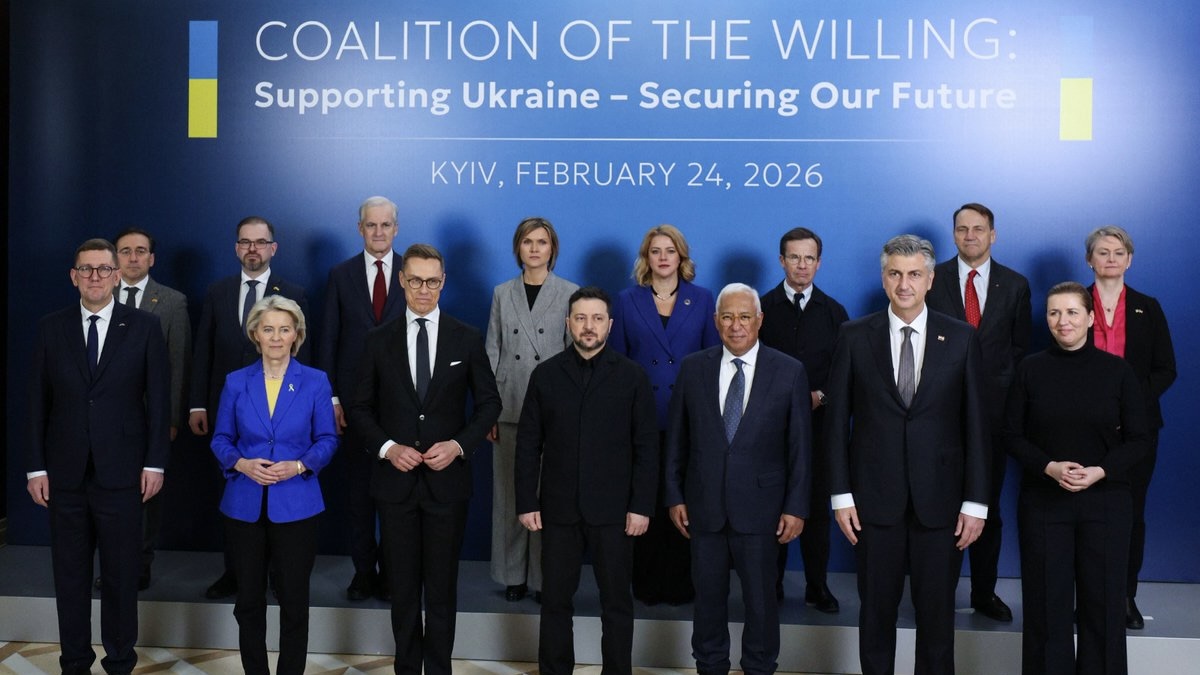
As the war in Ukraine enters its fifth year, European leaders are still failing to advance a diplomatic resolution and instead have opted for militarization.
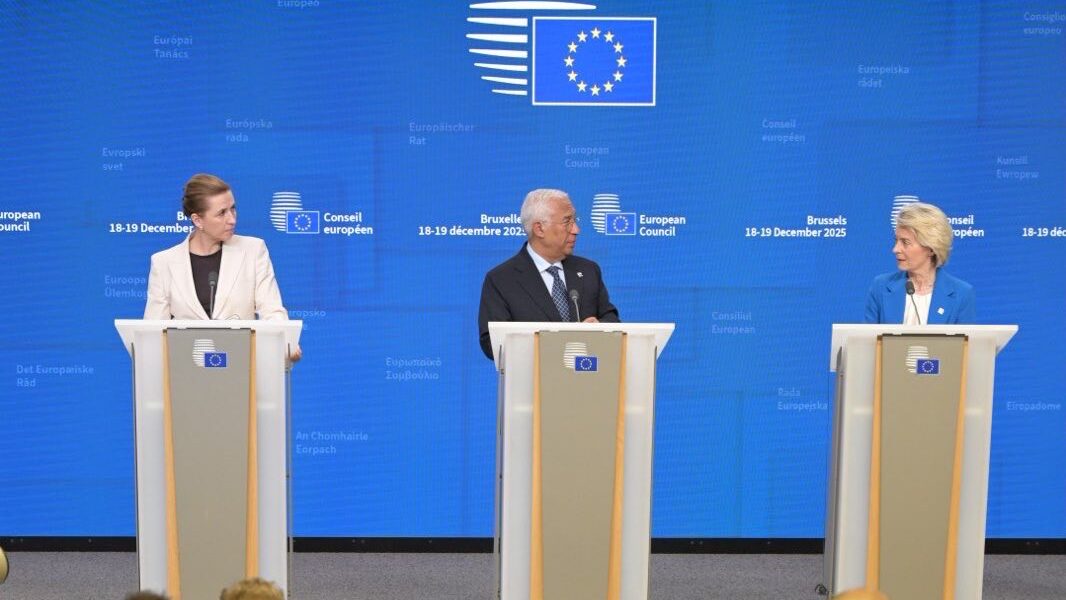
EU leaders have agreed to raise €90 billion through joint borrowing to finance support, largely military, for Ukraine, advancing their own militarization agenda.
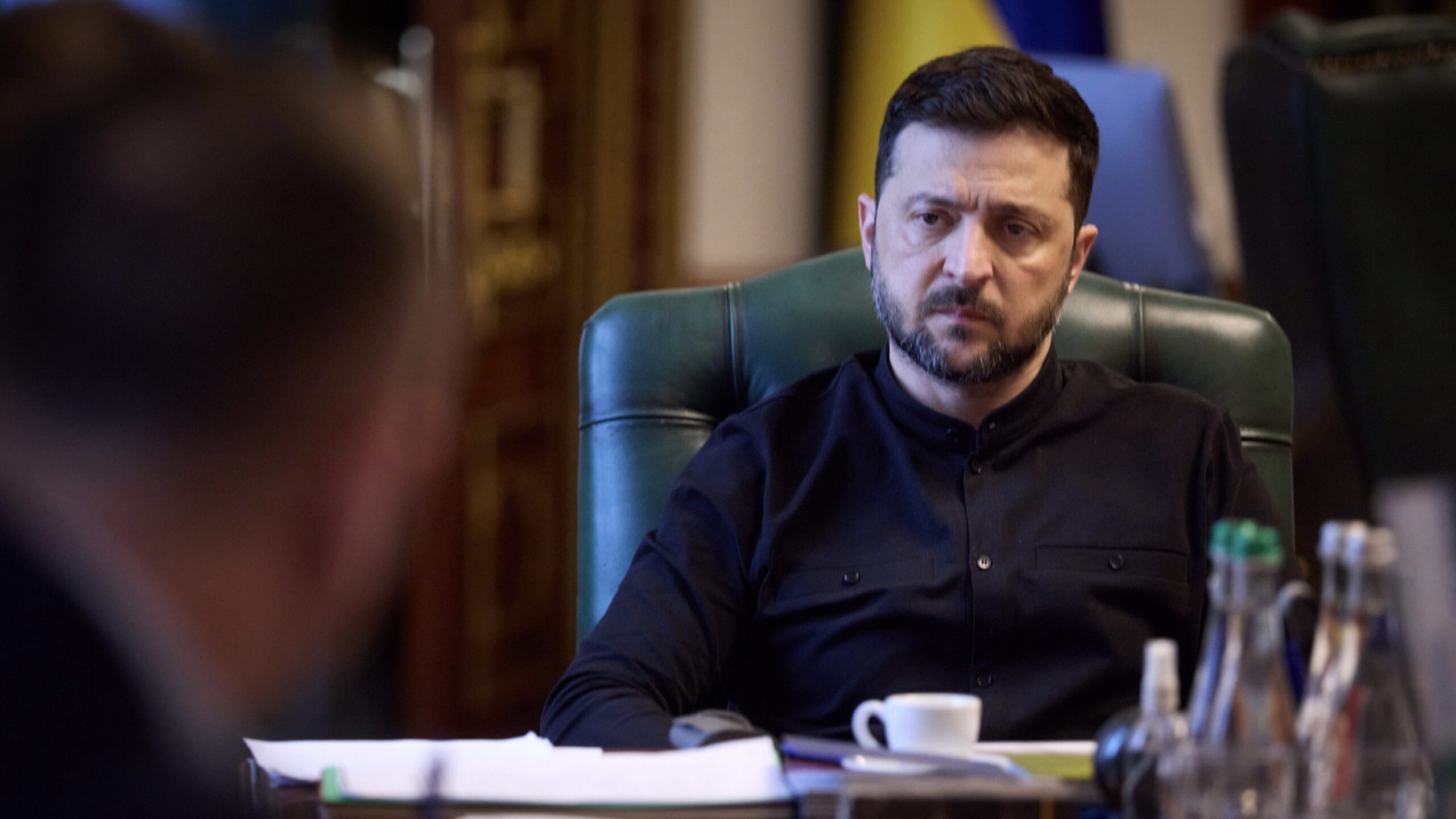
European leaders scrambled to resist a US-backed draft plan for Ukraine that includes no NATO membership, recognizing Russian-held territories, and capping Ukraine’s military.
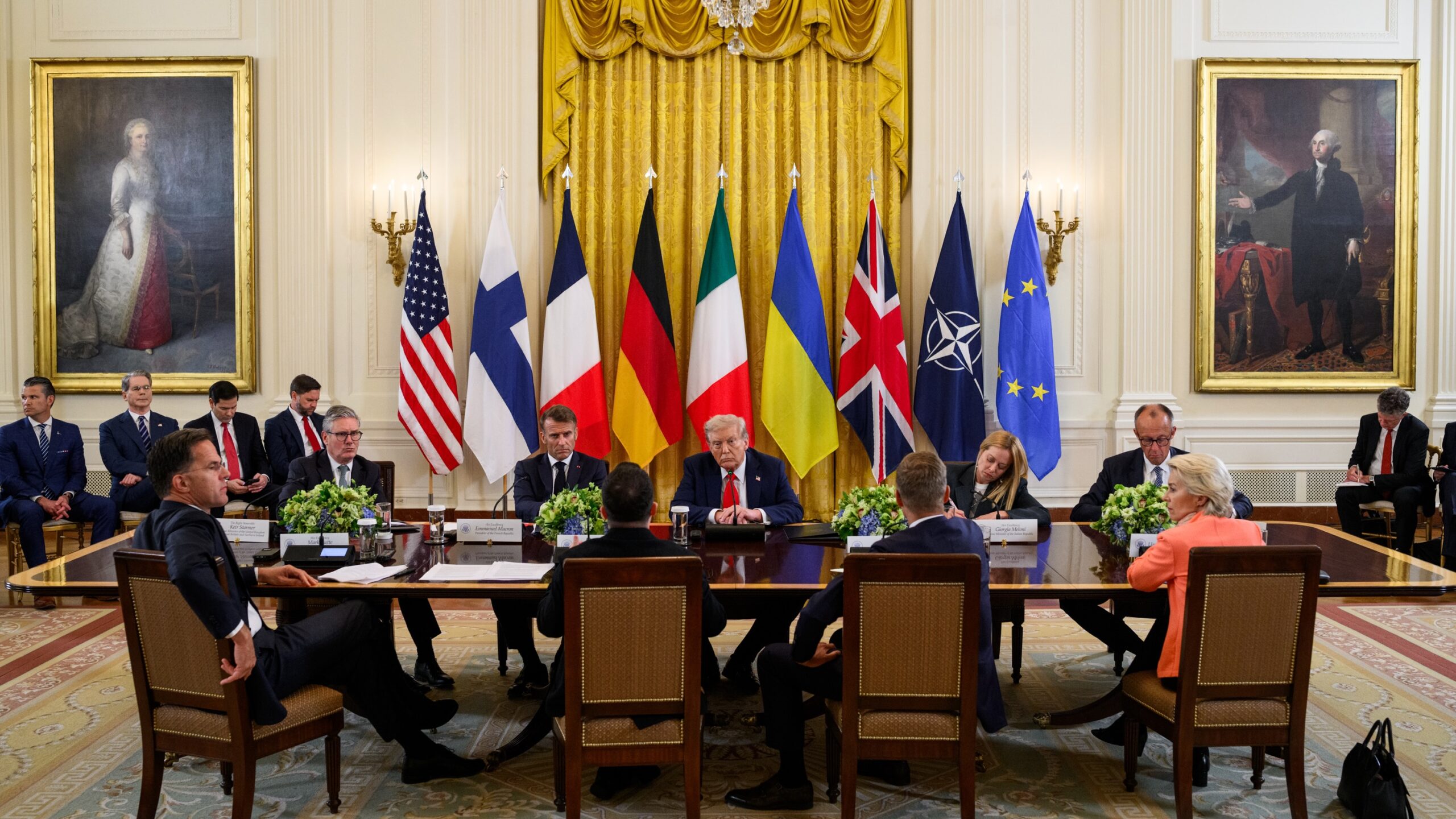
Ukraine agreed to buy USD 90 billion worth of weapons from the US as part of “security guarantees” promised by the Europeans and the White House in the event of a Ukraine-Russia deal to end the war.
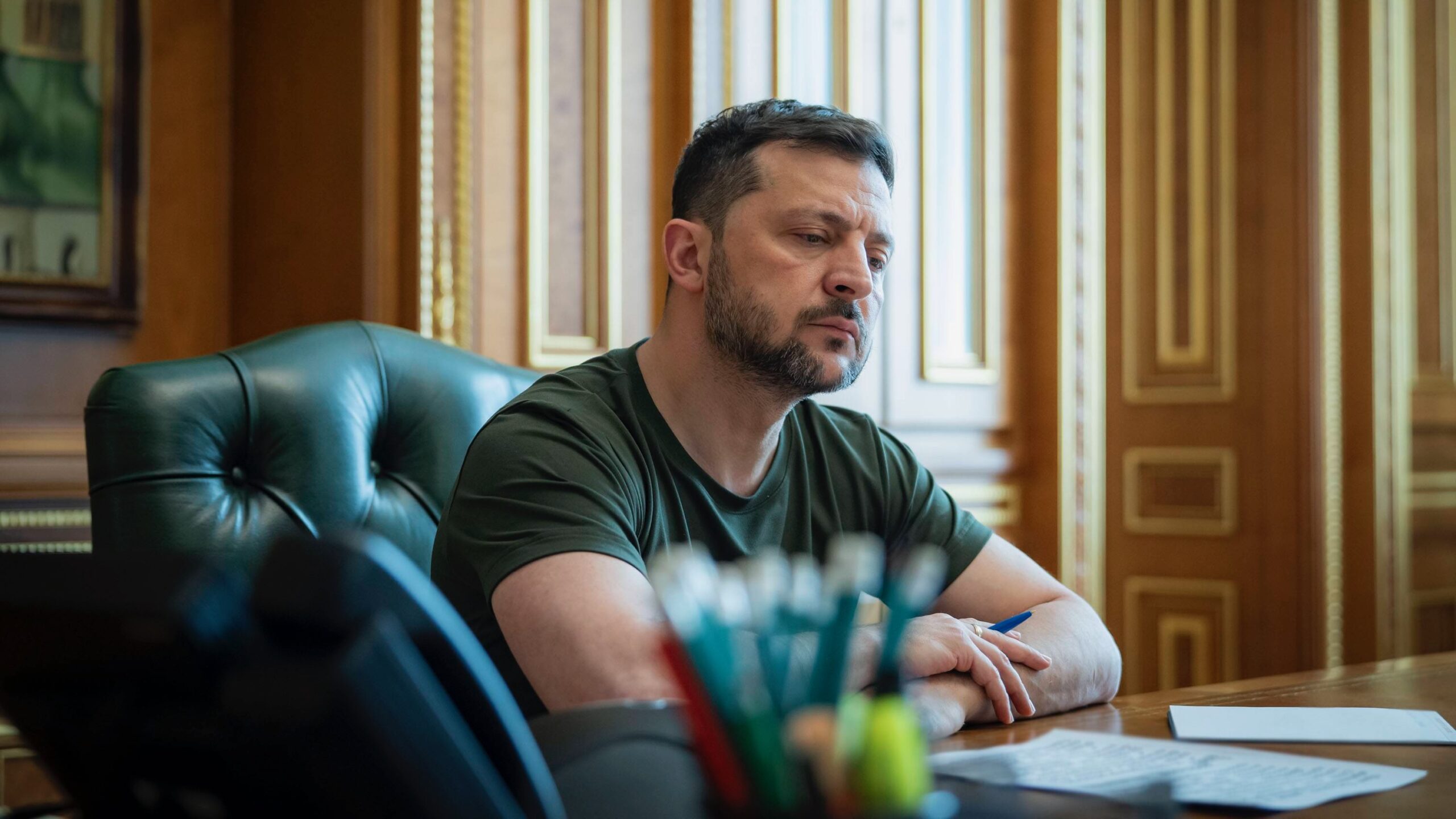
Some naïvely believed Trump knew how to end this complex conflict but all signs point to a prolonged war.
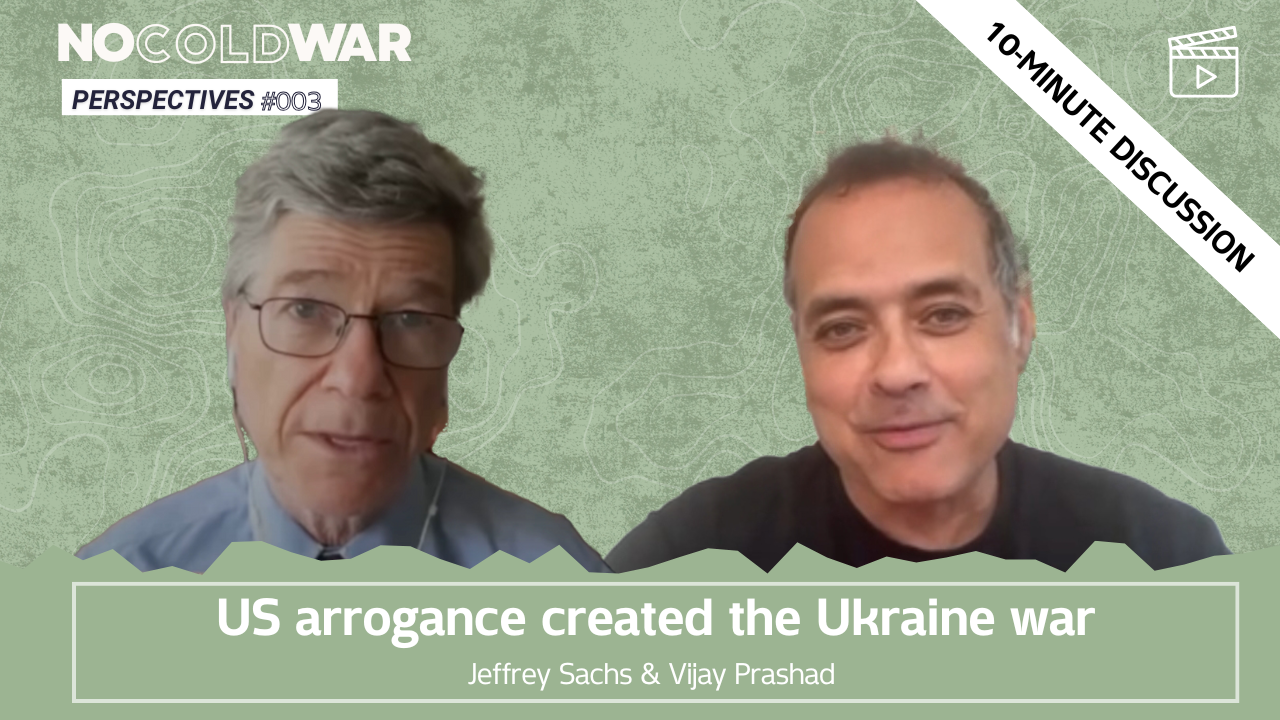
Economist Jeffrey Sachs and Marxist historian Vijay Prashad discuss how US arrogance provoked the Ukraine War and thwarted peace.
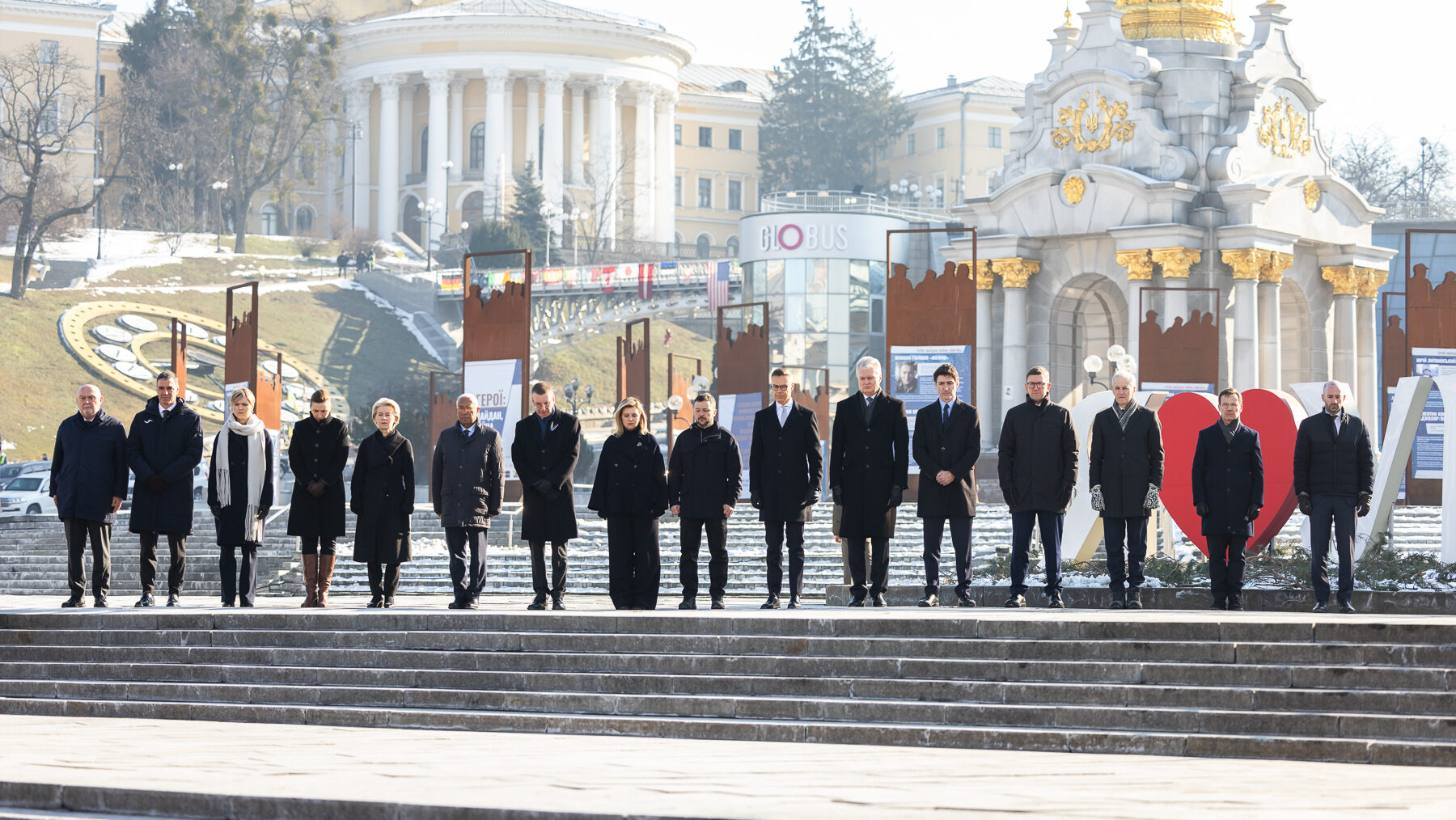
The US has also lifted the temporary pause on military aid to Ukraine and intelligence sharing which they had imposed following the scene at the White House
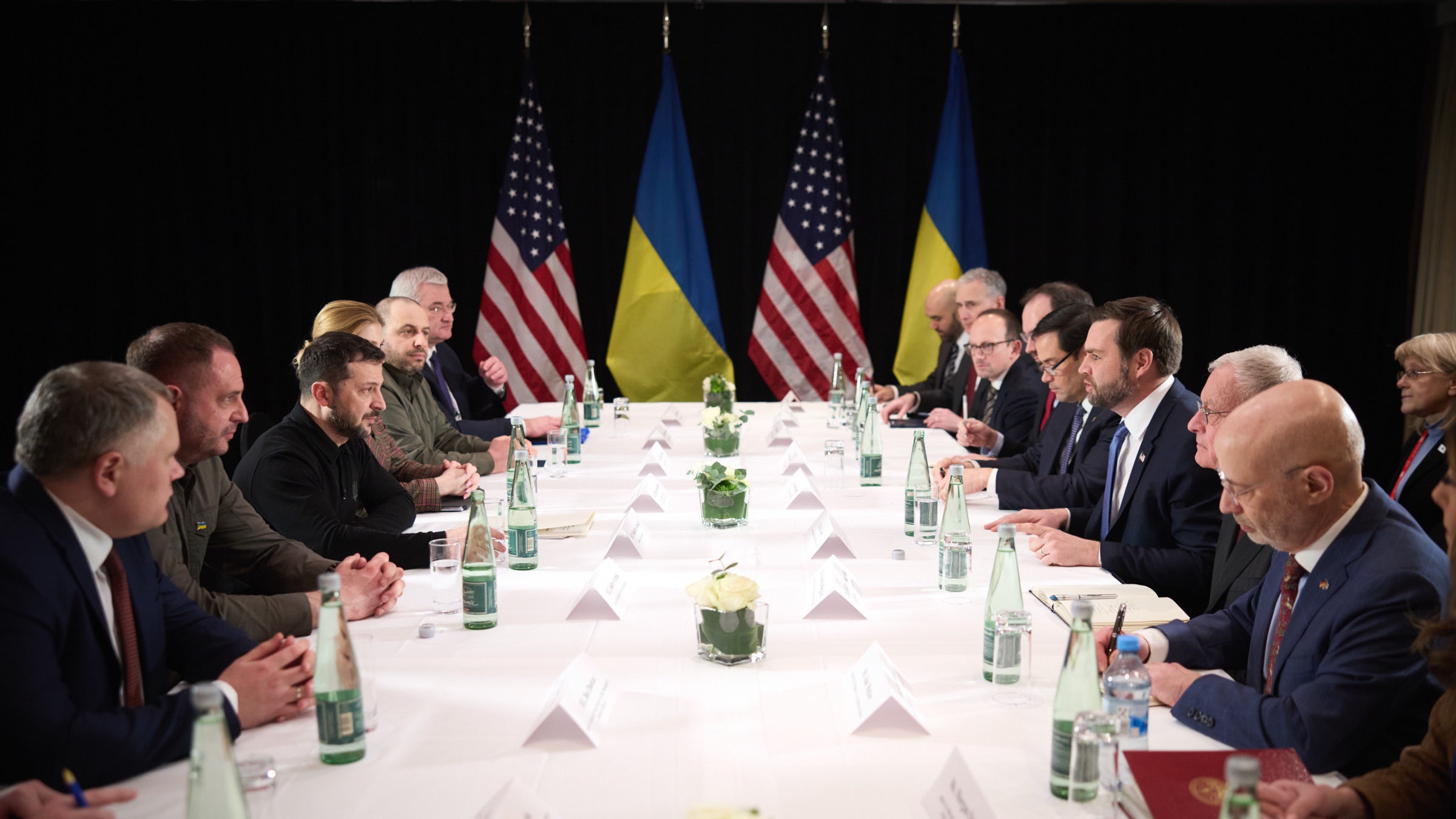
What is next for Ukraine? The theatrical drama in the White House’s Oval Office last week indicated Trump’s sharp departure from Joe Biden’s approach to the war and to Europe in general
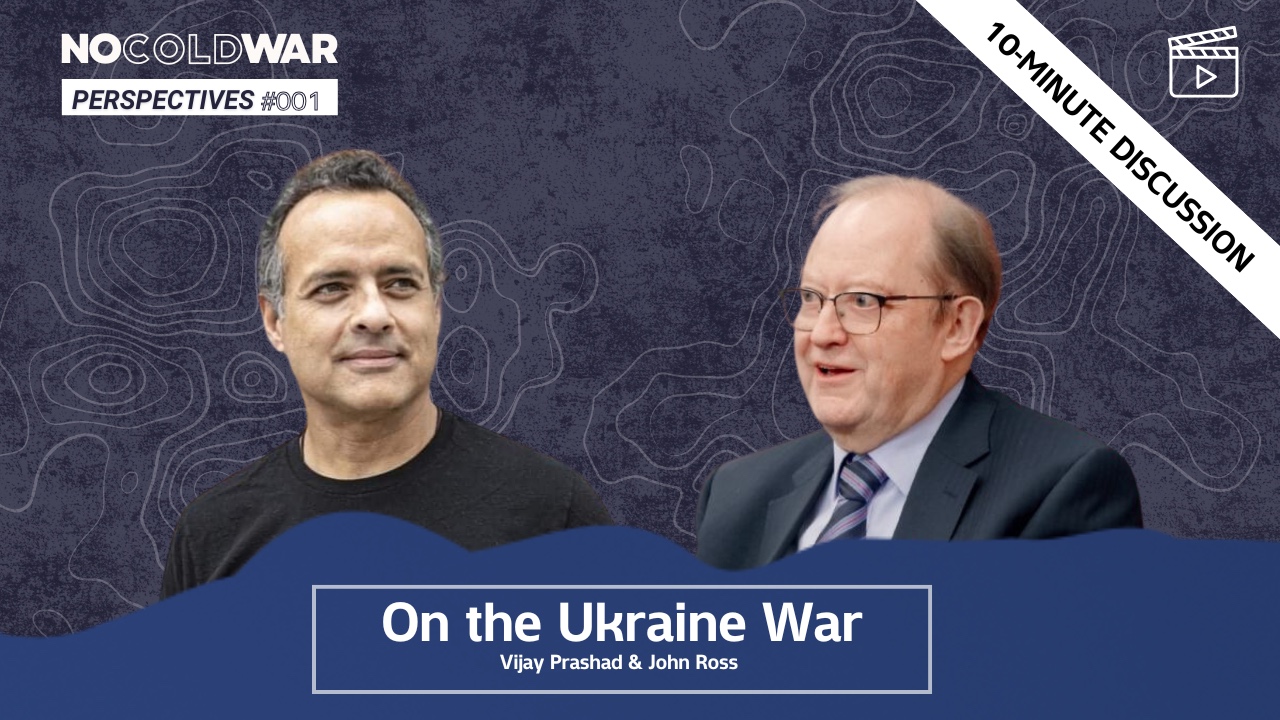
In No Cold War Perspectives no. 1, Vijay Prashad and John Ross discuss recent geopolitical developments following Trump’s inauguration.
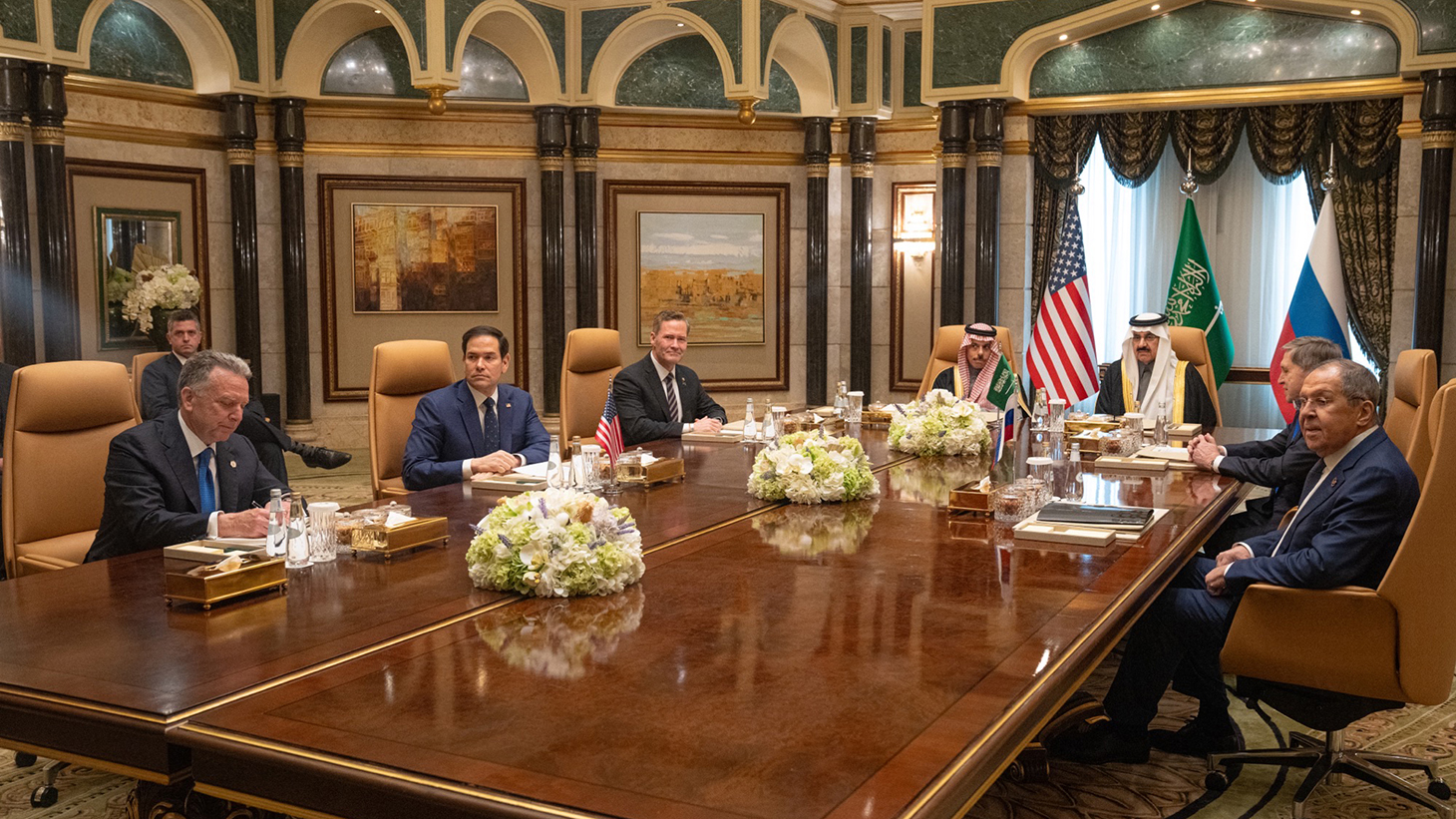
Trump’s strategy is significantly different from his predecessor, Joe Biden, who seemingly did everything he could to prevent a peaceful negotiated end to the war

Weapons will most likely be deployed against Russian and North Korean forces in the Kursk region of Russia

None of the BRICS member states signed the final joint communique which talked about respect for Ukraine’s territorial integrity. Many affirmed that there cannot be any serious discussion on peace without Russian participation
- Brazil approves end to 6×1 work schedule and reduction of the work week to 40 hours
- Israel kills 31 people in Lebanon on the eve of Eid al-Adha
- Israel carries out sixth consecutive Eid massacre in Gaza
- Far-right Janez Janša to return for fourth government term in Slovenia
- With peace deal nearly final, US launches fresh attacks on Iran